What is Resilience?
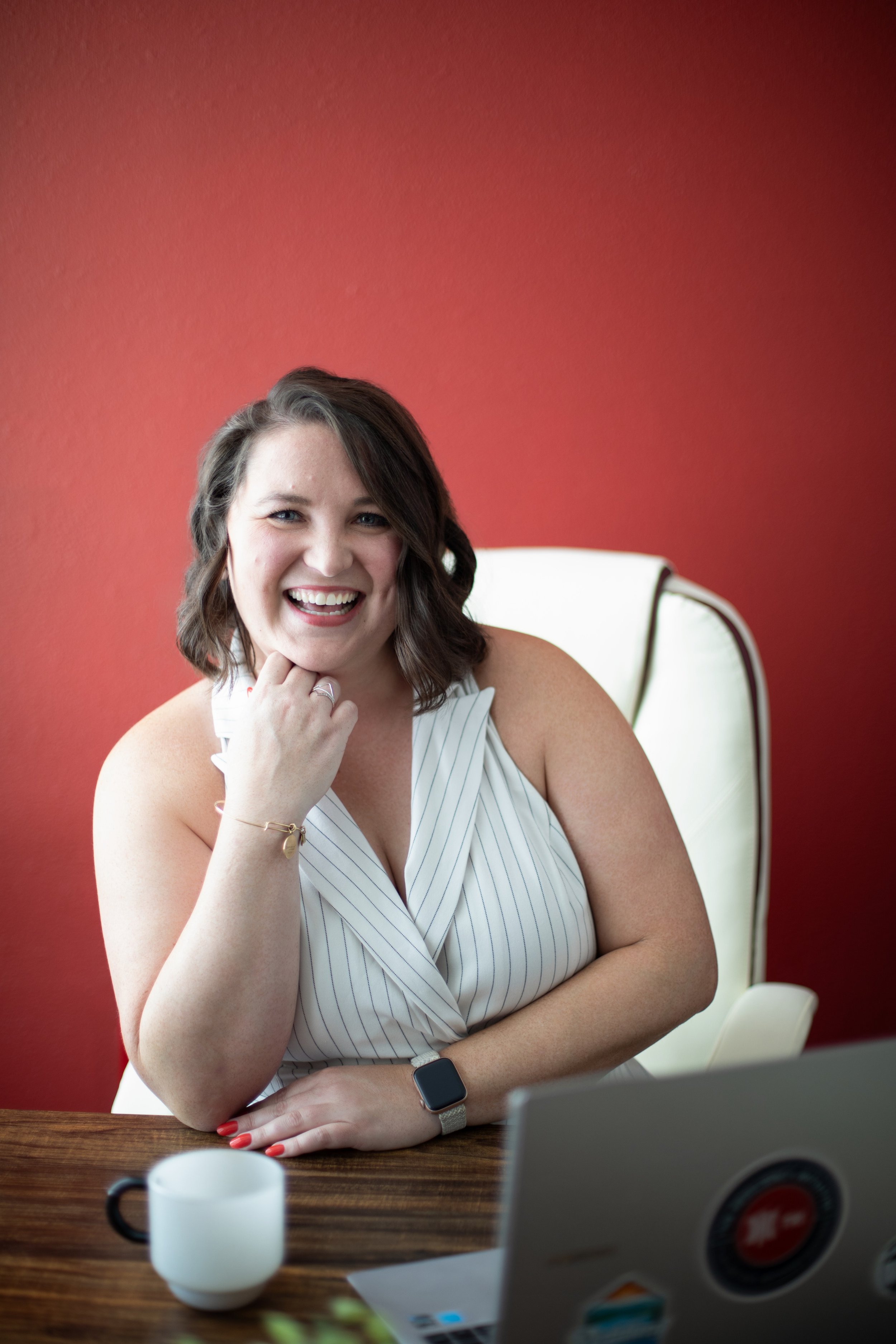
This past month, as I stepped into the role of CEO of The Resiliency Initiative, I found myself asking a simple question:
What is resilience?
Resilience is defined as:
Merriam-Webster Dictionary: the capability of a body to recover its size and shape after deformation caused especially by compressive stress; an ability to recover from or adjust easily to misfortune or change.
National Oceanic and Atmospheric Administration (NOAA): the ability to prevent a short-term hazard event from turning into a long-term community-wide disaster.
Federal Emergency Management Agency (FEMA): the ability to prepare for threats and hazards, adapt to changing conditions, and withstand and recover rapidly from disruptions.
But really, what does resilience mean?
For me, resilience is best defined as the ability to adapt, recover, and continue functioning in the face of stress, adversity, change, or hardship.
Over the past month, that definition has taken on an even deeper and more personal meaning. This month also marked the second anniversary of the unexpected loss of my father.
I am absolutely Daddy’s girl, and I cherish the bond I have with my family. Losing him has been the hardest thing I have ever experienced. Grief, loss, devastation, and pain become deeply personal. And the truth is, grief never really leaves us. It simply changes shape over time.
Having worked in emergency management for more than 15 years, I would like to think I am prepared for chaos. I have spent my career helping companies and organizations plan, train, and exercise for terrible days. I often joke that people probably do not want to see how my brain works because I naturally think through worst-case scenarios and how bad things could happen, so we can prepare in case they do.
I have responded to devastating hurricanes, wildfires, mass shootings, and even a global pandemic. I have seen firsthand the heartbreak and disruption people experience during unimaginable moments.
However, when it becomes personal and unexpected, it is different.
Over the past two years, there have been days when all I wanted to do was cry and do nothing else. Other days have felt rewarding and fulfilling. Some days feel heavy. There are moments when grief suddenly becomes overwhelming, and later I realize there is a reason: a date, a memory, or something my dad would have said or done.
I have learned to take those days as they come. I have learned to recognize when I need a break from stress, when I need to ask for help, or when I simply need to sit with friends and family and ugly cry it out.
I am learning that resilience sometimes means adaptation, and other times it simply means continuing to function. There is no one-size-fits-all formula for grief, loss, hardship, or healing.
So how do personal resilience and the profession of resilience come together?
To me, they are one and the same.
No matter the size of an organization or its mission, we work in a people business. Building resilience does not mean avoiding difficulty or pretending people never struggle. It does not mean focusing only on keeping operations running.
It means developing ways to respond to challenges that help people move forward. It means creating support systems that work for individuals. It means understanding that even when life feels like ten steps backward, there is still a path forward.
Resilience becomes a set of skills, habits, support systems, and mindsets that can be strengthened over time.
As I look ahead to leading The Resiliency Initiative, I am excited for the opportunity to help not only our team, but also the people and organizations we serve, build the skills they need to strengthen their resilience.
Whether that means reviewing past incidents to identify opportunities for improvement or helping organizations develop programs to support employees after disruptive events, I look forward to building upon the lessons I have learned, both professionally and personally, to continue helping others build resilience.
So, what is the answer to the question, “What is resilience?”
Resilience is the capacity to bend without breaking and to grow through challenges. We learn and practice resilience every day of our lives. It is taking those same principles and applying them on a larger scale to build support systems, reduce impact, adapt during response, and create a path forward.
May your day be one of resilience.
Faith Newton
CEO, The Resiliency Initiative