

Publications
Preparedness Pulse: Read up on our emergency preparedness advice for business owners and employees alike.

With all the natural and human-caused disasters happening around us, we spend a lot of time thinking about what makes a good CEO or organizational leader. I would argue that what makes you a great CEO isn’t really about the CEO at all. It’s about the people doing the work, and their families.

People rarely remember the fiftieth PowerPoint presentation they attended. They remember the experiences that made them think, laugh, participate, and tell someone else about it afterward. Somehow, a concert I never attended has stayed with me for more than forty years because of the stories that surrounded it. That's exactly what great preparedness programs should strive to create, experiences that people remember, conversations they continue, and a culture where resilience becomes part of everyday life.
Because, honestly, you can't PowerPoint your way to preparedness.
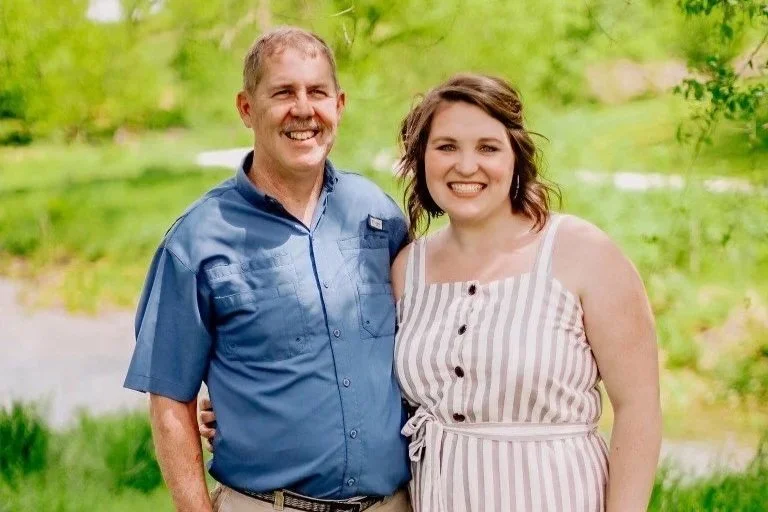
"Resilience isn't about having the perfect plan. It's about building an organization that can adapt, solve problems, and keep moving forward no matter what comes next."
-TRI's New CEO, Faith Newton
But really, what does resilience mean?
For me, resilience is best defined as the ability to adapt, recover, and continue functioning in the face of stress, adversity, change, or hardship.
Over the past month, that definition has taken on an even deeper and more personal meaning. This month also marked the second anniversary of the unexpected loss of my father.
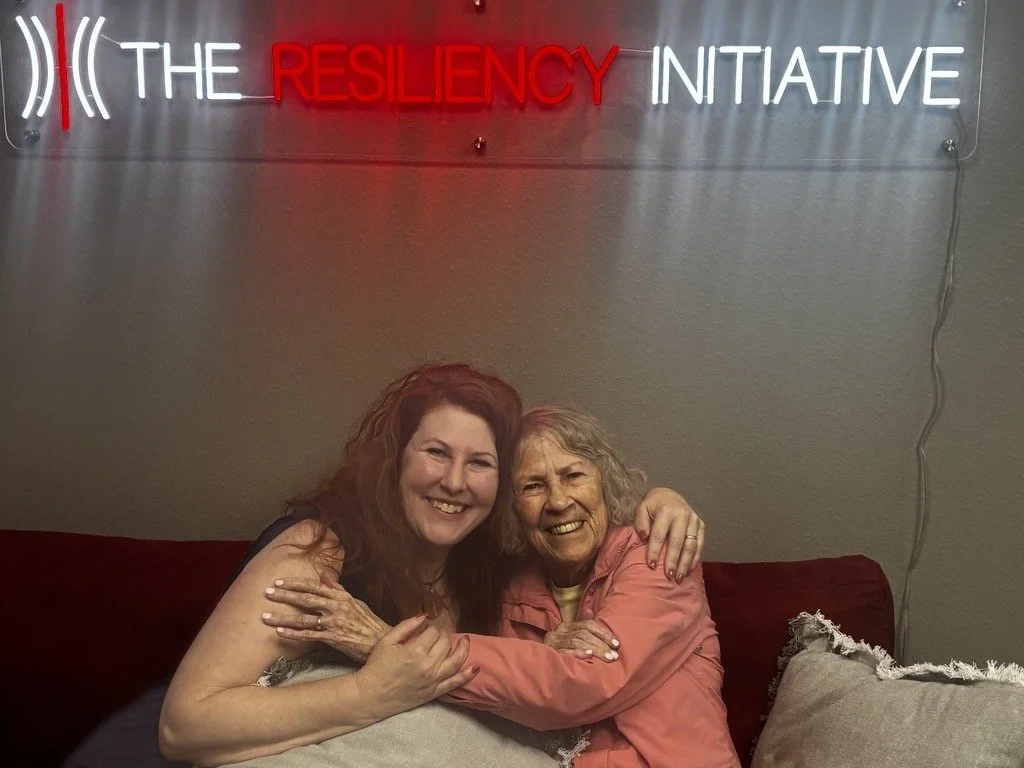
I am absolutely Daddy’s girl, and I cherish the bond I have with my family. Losing him has been the hardest thing I have ever experienced. Grief, loss, devastation, and pain become deeply personal. And the truth is, grief never really leaves us. It simply changes shape over time.
We spend a lot of time talking about leadership, defining it, training it, trying to get better at it.
But sitting in that car, I kept thinking, Aunt Cece never managed a team, she never held a leadership title, she never went through training.
And yet, she demonstrated every principle we teach, preparing before disruption, prioritizing people, communicating clearly, making decisions, adapting in real time, engaging the right people, and learning from every experience.
She influenced outcomes, supported people and helped things move forward, again and again.
That’s leadership.

What we’re seeing now, more clearly than ever, is that the issue isn’t just the volume of disruption; it’s the gap between planning and execution. Organizations have plans. Many of them are thoughtful, detailed, and well-intended. But in a real event, when information is incomplete, systems are degraded, and decision-making needs to happen quickly, those plans often don’t translate. People hesitate. Roles become unclear. Communication slows down. And valuable time is lost trying to “figure out the plan” instead of moving forward..
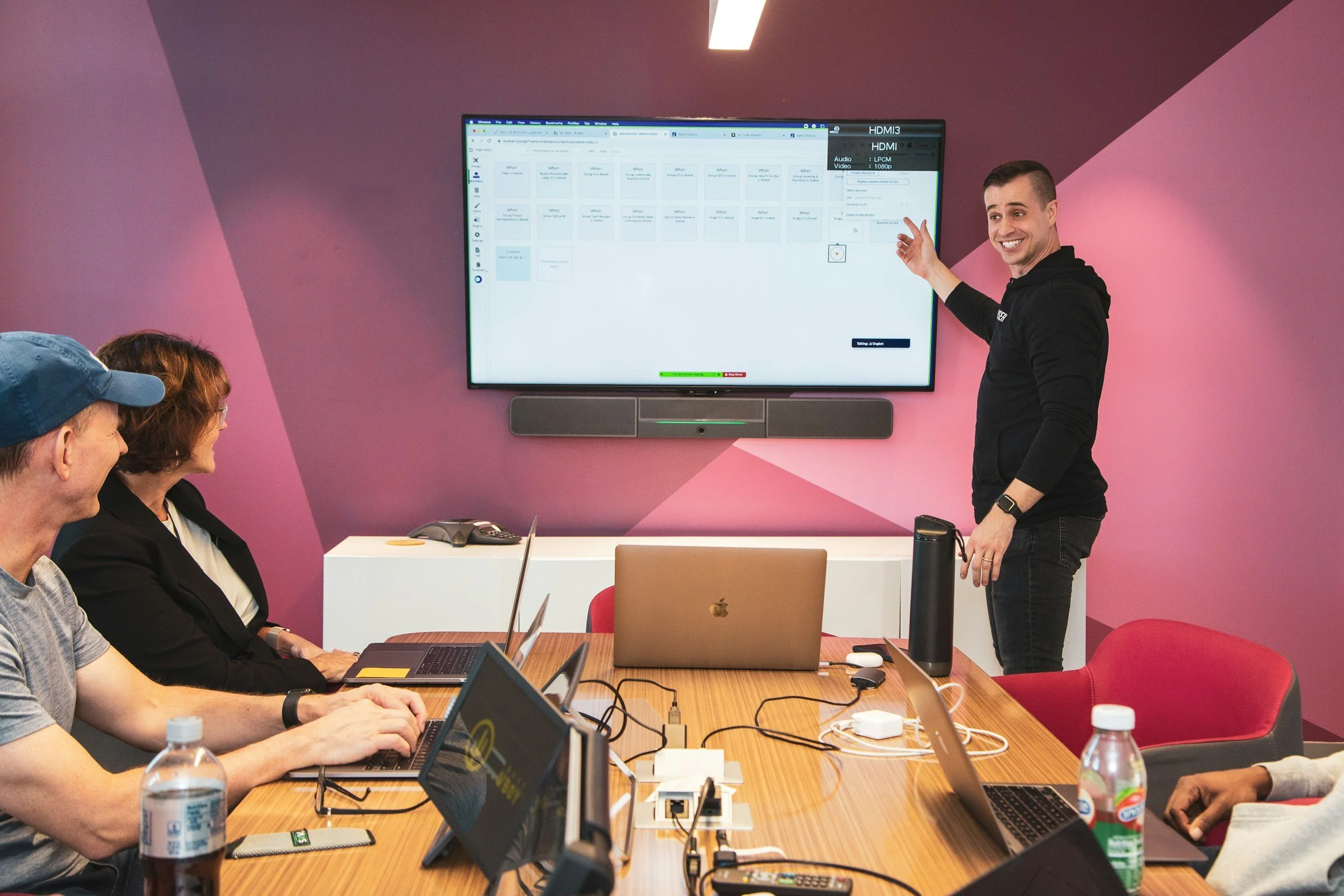
What if professional development didn’t feel like a box to check but something that lived in the rhythm of your workday?
As leaders, we often say that people are our greatest asset. But it’s one thing to say it… and another to intentionally create everyday opportunities that allow our teams to grow, thrive, and contribute more meaningfully.
Kick Start Your Employees’ Growth:
In March, TRI is sponsoring two excellent opportunities to kickstart your employees' growth.
1. Critical Infrastructure and Protection North America Conference March 10–12, 2026 • Baton Rouge, LA
TRI is excited to be an Executive Sponsor of this vital industry event focused on infrastructure protection and resilience. As part of the TRI network, enjoy a 20% discount on delegate registration. Use code RESI20 when booking. Connect with peers, explore cutting-edge technologies, and engage in critical conversations shaping the future of resilience. Our Board Chair, Joseph Threat, and our President & CEO, Andrea Davis, will share TRI’s insights on public-private partnerships and preparedness; you won’t want to miss it. Register here: https://ciprna-expo.com/
2. The Resiliency Academy, March 24 & 26, Virtual
Deepen your team’s resilience skills with practical, applied learning through The Institute’s Resiliency Academy. This two-day immersive development opportunity is designed to equip professionals with the tools and strategies to thrive in complex, real-world challenges. Enter friends&family at checkout for 25% off. Register here:https://www.eventcreate.com/e/the-resiliency-academy-march2026.

The Business Lesson Behind the Pancakes
When we talk about planning for disruptions, we often focus on systems, insurance, and contingency plans. Those things matter, but they’re only part of the story.
My dad didn’t solve the power outage alone. Jimmy didn’t either. The solution came from relationships, awareness, and people paying attention to what others needed.
For businesses of any size, the real question isn’t just What happens if something goes wrong? It’s Who do we know, and how do we stay connected when it does?

Preparedness is no longer a standalone planning function; it directly influences operational continuity, financial performance, and organizational credibility. Organizations that embed risk awareness into everyday operations, align continuity planning with business objectives, and proactively address cyber, vendor, and information risks will be better positioned to withstand disruption and recover more effectively in an increasingly complex risk environment.

Running a small business isn’t for the faint of heart. Equipment failed, supply deliveries were missed, employees got sick, and storms knocked out power. Yet the diner stayed open, day after day, because my dad understood—long before I had the words for it—that continuity isn’t paperwork.
Continuity is love.
It’s responsibility.
It’s showing up for your community no matter what.
And that, at its core, is what I feel Thanksgiving is all about.

This month marks a milestone moment for all of us at The Resiliency Initiative — the official launch of our nonprofit organization, The Resiliency Institute.
What began as a dream to expand the reach of our work has now become a reality — a dedicated 501(c)(3) organization dedicated to building a more resilient world through learning, innovation, and storytelling.
The year may be winding down, but risks aren’t taking a break. In fact, three of them, cyber threats, supply chain disruptions, and the spread of disinformation, are showing up more often and in more connected ways than before. They aren’t new, but their speed and interconnectedness make them more urgent than ever. For businesses and organizations, this means bigger challenges and less room to wait. That’s why we’re highlighting them now — and sharing what you can do about each one.

📌 Lesson From the Field
I’ll never forget my first community meeting in rural Louisiana. I walked in with a thick binder of talking points, ready to “inform” people about FEMA’s recovery programs. I didn’t get more than five minutes in before a resident raised their hand and asked: “Why aren’t you asking us what we need?”
That moment stopped me in my tracks. It was the beginning of a shift—from telling to asking, from knowing to listening. I carry this lesson into every project today: true recovery begins when the people most affected are heard first.

A Five-Pronged Strategy for Resilience
To meet this challenge, we need to lead with intention and act collectively. Whether you run a small business, a school district, a hospital, or a municipality, there are steps you can take now.
1. Develop Public-Private Partnerships
Resilience is a team effort. Engage with your local emergency management agency or fusion center to establish coordination before a crisis hits. FEMA’s Public-Private Partnership Guide offers a strong foundation to build from.
Action Step: Reach out to your local emergency manager to explore collaborative preparedness planning.
2. Update and Test Emergency Plans
Every organization should have a plan that addresses cyber disruptions. Do your staff know what to do during a ransomware attack? Are you backing up your critical data? Do you have a continuity plan if your systems go offline?
Action Step: Run a cyber scenario tabletop exercise with your leadership team.
3. Support Unified Cyber Standards
Cyberattacks are global. The more fragmented our regulations, the more room we give threat actors to operate. Support efforts that encourage international cooperation and industry alignment.
Action Step: Advocate through your local chamber or industry associations for stronger cybersecurity policies.
4. Commit to Information Sharing
Speed matters in a crisis. Businesses and agencies that communicate openly about threats and responses can prevent larger-scale impacts.
Action Step: Join your sector’s Information Sharing and Analysis Center (ISAC) or regional cyber task force.
5. Invest in Innovation and Training
Leverage newer technologies like AI, blockchain, and advanced detection systems—but also ensure your people are trained and confident in using them.
Action Step: Budget for both tech upgrades and staff training in your next fiscal year.

As summer unfolds, many of us are packing our bags and heading out into the world—whether for business, adventure, or just a break from our inboxes. Travel can be enriching and restorative, but it’s also full of surprises (some better than others). Over the course of my career, I’ve traveled to more than 52 countries—and let’s just say, I’ve collected my fair share of travel stories. I’ve been detained, hospitalized, and abandoned on the side of the road more times than I’d like to admit! These experiences taught me a lot about what to do—and what not to do—when preparing for a trip.
Free Consultation
Fill out the form below to request a free, no-obligation consultation, a quote for a project, or to inquire about a collaboration