
Quarterly Resiliency Forecast-Summer 2026
A Conversation with TRI's New CEO, Faith Newton
As TRI's new CEO, Faith Newton brings a fresh perspective to the challenges facing businesses and communities today. I sat down with Faith to discuss the evolving risk landscape, what resilience looks like in 2026, and the practical steps leaders can take right now to better prepare for an uncertain future.
As you look at the rest of 2026, what are the biggest challenges keeping business and community leaders up at night?
To look ahead at the challenges, I think it first requires looking back. As leaders, we've faced economic uncertainty, years of unprecedented, cascading disruptions and organizations that simply feel like they've been through it all. Because of that, I believe one of the biggest challenges leaders will continue to face throughout the remainder of 2026 is the accumulation of disruptions, paired with ongoing uncertainty and burnout.
As leaders, we know we can guide our organizations through disruption. But what happens when the biggest issue is no longer the disruption itself, but the people? When employees and organizations are so burned out from navigating challenges in both their personal and professional lives that they no longer have the capacity to fully engage in response and recovery? We can have the best plans in the world, but if we don't have people who are ready and able to execute them, how resilient are those plans really?
We've talked about resilience for years. What does a truly resilient organization look like today?
A resilient organization today is not one that avoids disruption. It's one that can absorb disruption, adapt quickly, and continue moving forward.
My own definition of resilience has evolved over the past few years. I think many of us have viewed resilience as emerging stronger than before or recovering faster. While those are certainly important outcomes, I've come to see resilient organizations as those with a strong foundation that allows them to adapt through the daily ups and downs of life, business, and the unknown.
To me, resilience is not about simply having a plan or assigning someone to a position. It's about building an organization that can flex with both the highs and the lows across every part of the business.
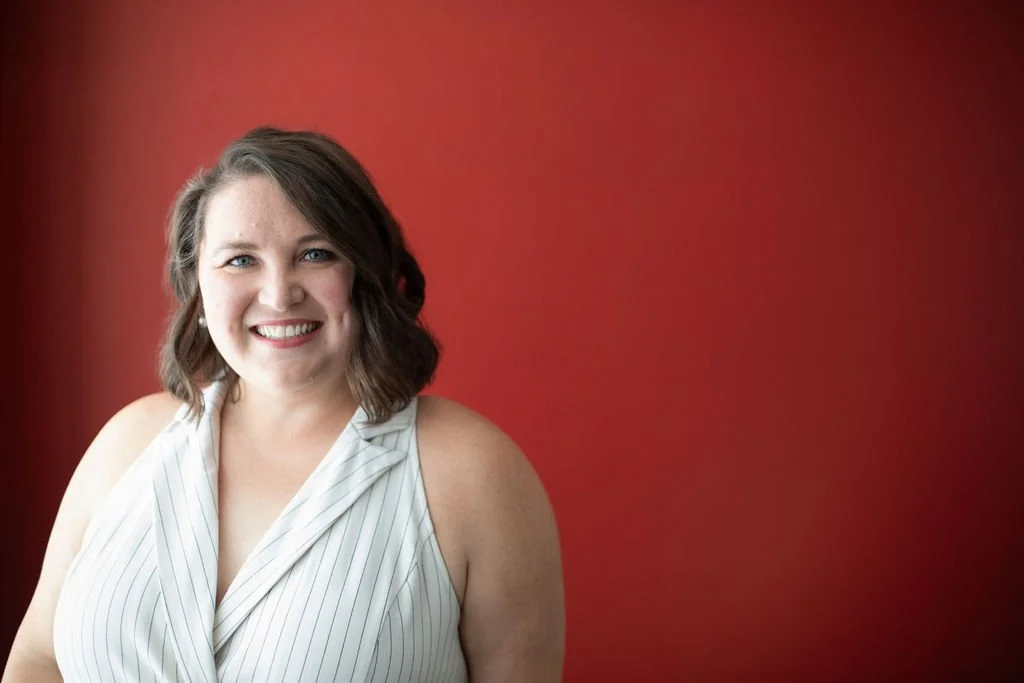
TRI's New CEO, Faith Newton
"Resilience isn't about having the perfect plan. It's about building an organization that can adapt, solve problems, and keep moving forward no matter what comes next."
Is there a risk or trend that you think organizations are paying too much attention to, and one they may be overlooking?
I still see many organizations planning for specific hazards or incidents, whether that's cyberattacks, supply chain disruptions, or countless other scenarios. There is certainly value in that approach, but I think we sometimes overlook the core of resilience planning: building sustainable people and processes that can work through both broad and specific disruptions.
Here's how I think about it. Which would you rather have? A highly detailed supply chain disruption plan, or trained and empowered departments that know when to escalate an issue, how to work together, and how to solve problems regardless of the cause?
I know which one I'd choose.
If you could sit down with every CEO, city manager, superintendent, and nonprofit leader for five minutes, what is the one piece of advice you would give them?
Don't wait for a crisis to discover how your organization really works or what it truly needs.
I think we all have a perception of how our organizations operate and what would be needed to prepare or respond during a crisis. Take the time now to have those conversations with your team. Listen to their perspectives, understand the realities they experience every day, and use those insights to create alignment and build momentum toward greater resilience.
What are three practical actions our readers can take in the next 30 days to strengthen resilience in their organizations and communities?
Align risks and needs. Build a strong foundation by understanding where you are today. Identify the risks you face, evaluate what is already in place, and determine what your organization truly needs to become more resilient.
Invest in resilience. Once you've identified your priorities, take the next step. That investment might be additional time dedicated to your resilience program, leadership support, training, or financial resources. Whatever form it takes, let your actions move your program forward.
Practice what you preach. As a leader, model the resilience you expect from your team. If resilience is an organizational priority, demonstrate it through your own actions, decisions, and commitment every day.
Faith's perspective is a timely reminder that resilience is not built during a crisis. It is built through the everyday decisions leaders make to invest in their people, strengthen their organizations, and prepare for whatever comes next.
Happy Summer!- Andrea
Turn Insight Into Action at the July Resiliency Academy

Reading about resilience is one thing. Building it is another.
If this quarter's newsletter has you thinking about the risks facing your organization and wondering where to begin, our upcoming Virtual Resiliency Academy is designed for you.
Offered through TRI’s Foundation, The Resiliency Institute, from July 22-24, you'll learn directly from nationally recognized practitioners who have led organizations through some of the nation's most complex disasters and crises. Over three interactive days, we'll cover the essential building blocks of an effective resilience program, including risk assessments, plan development, leadership, crisis communications, training, and exercise design, culminating in a hands-on tabletop exercise. Participants earn 16 Continuing Education Units (CEUs) applicable toward ASIS, DRII, and IAEM certifications, making the Academy both professionally rewarding and immediately applicable.
This year's Academy features an exceptional lineup of instructors, including keynote speaker Vincent Davis, an internationally recognized leader in emergency management and organizational resilience whose career spans FEMA, Feeding America, Amazon, Sony, Walgreens, the American Red Cross, and the U.S. Air Force. Participants will also learn from Dan Stoneking, former FEMA External Affairs Director and one of the nation's leading crisis communications professionals. Drawing on decades of experience managing communications during some of the country's most significant disasters and national emergencies, Dan will share practical strategies for communicating with confidence before, during, and after a crisis.
At TRI, we believe cost should never be a barrier to preparedness. Reduced registration is available for students, Tribal Nation members, first responders, active military and veterans, and a limited number of scholarships are available. Email info@resiliencyinstitute.org for more information.
Ready to invest in your organization's resilience? Join us July 22- 24 and gain practical tools, proven strategies, and valuable connections that will strengthen your organization long after the Academy concludes. Register today at www.eventcreate.com/e/the-resiliency-academy-july26.
Profiles in Resiliency YouTube Series

Profiles in Resiliency: Stories of Hope and Tenacity. Uncut from America’s Heartland is an upcoming TRI YouTube series featuring real, unfiltered conversations about what it truly means to be resilient. And to kick it off, we’ve released a special promo video that shares our Founder’s story, offering a personal glimpse into the experiences that have shaped TRI’s work and TRI’s mission.
This passion project brings friends, colleagues, and leaders to the TRI couch to share honest stories of grit, perseverance, and rising above challenges. The kind of stories that remind us why resilience matters.
Watch the promo and subscribe to be the first to see the full series here.
Recent Blog Posts
April 2026: Flat Tires, Farm Life, and War Stories: A Masterclass in Everyday "Crisis" Leadership from Aunt Cece.
May 2026: What is Resilience?
About TRI
At TRI, we’re more than consultants; we’re partners in helping communities and organizations thrive through crisis. As a certified women-owned and run small business enterprise, we take pride in being a boutique firm with a personal touch, delivering high-impact, hands-on support tailored to the unique needs of every client we serve.
For communities, we focus on what matters most: hazard mitigation, evacuation planning, continuity of operations, and dynamic training and exercises that build real-world readiness. For organizations, our strength lies in business continuity planning and simulations that keep operations steady, even in the most uncertain times.
What sets us apart is the depth of our experience. Our leadership team brings decades of firsthand expertise from FEMA, Fortune 500 corporations, the military, local governments, and the nonprofit sector. We don’t just check boxes, we empower people to lead with confidence when it matters most.
To request a free consultation, email info@theresiliencyinitiative.comorcall +1 (877) TRI-7191
